New SACD Chiaroscuro Quartet Continues Beethoven Cycle with Three Landmark Beethoven Works
Your PR Alliance Contact:
Kathrin Hauser-Schmolck
based in Munich, Germany | Basel, Switzerland
+49 171 1155848
Release 16 October 2026 | BIS-2728 SACD
Download Wav Files | Cover | Booklet
© BIS Label
New SACD Chiaroscuro Quartet Continues Beethoven Cycle with Three Landmark Beethoven Works
Ludwig van Beethoven (1770-1827)
String Quartet No. 9 in C major, Op. 59 No. 3 “Razumovsky“ (1806)
String Quartet No. 11 in F minor, Op. 95 No. 2 “Serioso“ (1810)
Grosse Fuge, Op. 133 (1825-26)
Chiaroscuro Quartet
Alina Ibragimova & Charlotte Saluste-Bridoux, Violins
Emilie Hörnlund, Viola
Claire Thirion, Cello
Release 16 October 2026 | BIS-2728 SACD
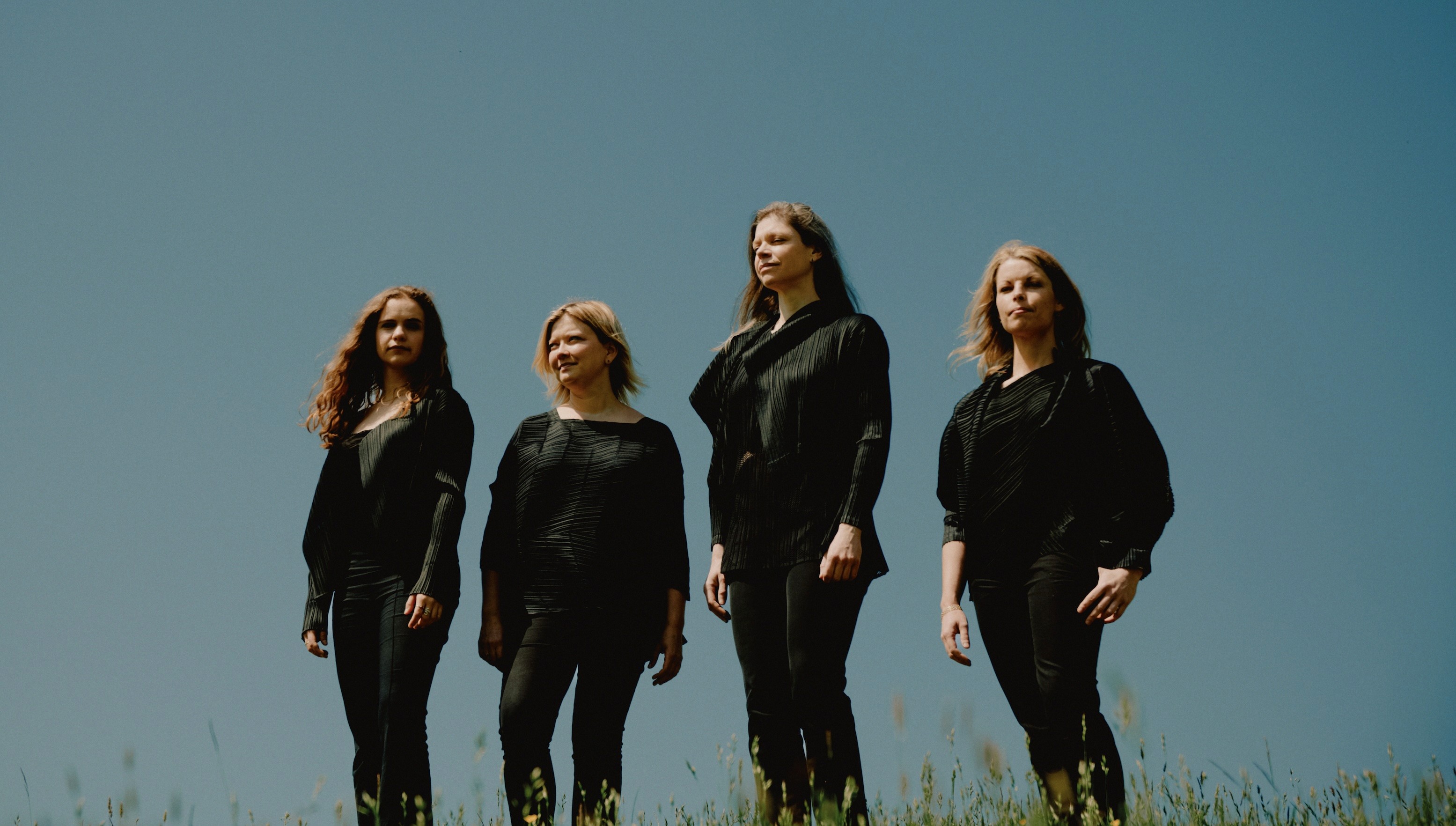
The Chiaroscuro Quartet continues its thrilling journey through Beethoven’s string quartets with three works that chart the composer’s development in the genre.
The ‘Razumovsky’ Quartets (1806), commissioned by Count Razumovsky for his house quartet led by Schuppanzigh, expanded the genre’s scale beyond Op. 18, baffling early listeners with their symphonic ambition. The first two were released last March (BIS-2688). The third and final quartet of the set, Op. 59 No. 3 in C major, which opens this recording, is the most accessible, with a Mozart-indebted introduction, a Slavonic-sounding Andante, and a flamboyant fugal finale.The F minor Quartet, Op. 95 (‘Quartetto serioso’, 1810), written amid personal turmoil, is starker and more radical –compressed, harmonically abrupt, and structurally fragmented, ending unexpectedly in a light F major coda. Finally, the Grosse Fuge (1826), originally the finale of Op. 130, represents Beethoven’s most uncompromising achievement: a vast, dissonant fusion of fugue and variation that baffled contemporaries but was later hailed by Stravinsky as timeless and revolutionary. Together these works chart Beethoven’s progression from conversational classicism to visionary modernism.
Next Concerts
12 October | RNCM Concert Hall | Manchester
14 October | Wigmore Hall | London
17 October | Pierre Boulez Saal | Berlin